 By admin
The global healthcare landscape is experiencing a profound structural transformation driven by the evolution of digital communication, remote monitoring, and artificial intelligence. For generations, accessing medical care followed a singular, rigid protocol: an individual experienced symptoms, scheduled an appointment, commuted to a clinic, and sat in a waiting room to speak with a physician. While this traditional model remains essential for complex surgeries and hands-on emergencies, it presents significant logistical friction for routine consultations, chronic disease management, and preventative screenings.
Telehealth has emerged as the definitive solution to these legacy inefficiencies. Originally utilized as a niche tool to connect rural patients with distant specialists, digital medicine has expanded into a foundational pillar of modern healthcare delivery. By leveraging high-speed data networks, wearable medical devices, and integrated software platforms, virtual care removes geographic barriers, lowers systemic overhead costs, and optimizes clinical workflows. The future of medicine is fundamentally untethered from the constraints of physical brick-and-mortar facilities, moving toward an era of continuous, accessible, and patient-centered care.
Deconstructing the Pillars of Modern Digital Medicine
To understand where telehealth is headed, it is necessary to examine the technological infrastructure that transforms an ordinary video call into a fully functional medical examination room. The modern virtual care ecosystem relies on three distinct operational models, each serving a unique clinical purpose.
Synchronous Virtual Consultations
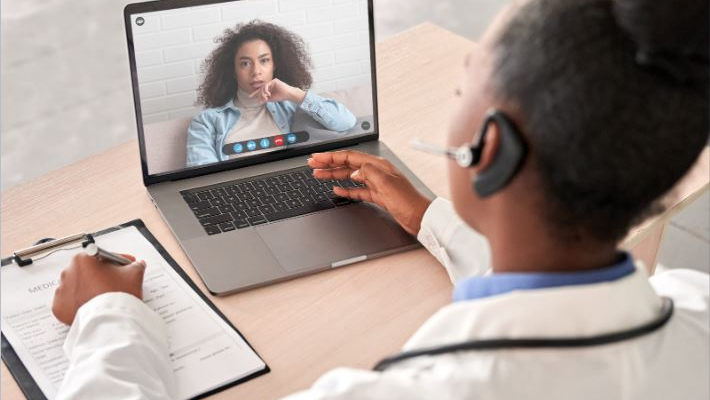
Synchronous telehealth represents the most familiar form of digital medicine, encompassing real-time audio and video interactions between a patient and a healthcare provider. This modality functions seamlessly for acute, low-acuity conditions such as respiratory infections, dermatological flare-ups, and behavioral health sessions. Modern encryption protocols ensure these virtual encounters comply fully with strict patient privacy regulations, providing a secure environment for diagnostics and prescription management without requiring the patient to leave their home.
Asynchronous Store-and-Forward Technology
Asynchronous telehealth allows the transmission of recorded clinical data, such as medical histories, digital images, laboratory reports, and pre-recorded videos, between patients and providers at separate times. A patient can upload a high-resolution photograph of a skin lesion or an electrocardiogram reading from a home monitor. The specialist reviews the data at a later time, formulates a diagnostic report, and transmits a treatment plan back to the patient. This model significantly enhances clinical efficiency, eliminating the need for coordinated scheduling and reducing wait times for specialized medical opinions.
Continuous Remote Patient Monitoring
Remote patient monitoring represents the vanguard of proactive, preventative medicine. Instead of assessing a patient’s vital signs exclusively during an annual physical or a biannual checkup, physicians can now deploy cellular-connected medical devices that continuously transmit data from the patient’s daily environment. These tools include digital blood pressure cuffs, continuous glucose monitors, smart pulse oximeters, and wearable patch sensors. The incoming data streams feed directly into electronic health records, allowing clinical teams to monitor trends, detect early physiological anomalies, and intervene before a minor fluctuation escalates into an emergency room visit.
Expanding Access and Demolishing Geographic Barriers
The most profound impact of advanced telehealth is its unique ability to democratize high-quality medical expertise, leveling the disparities that historically plagued underserved demographics.
-
Reaching Rural and Isolated Communities: In many geographic areas, the nearest hospital or specialized clinic may be hours away by car. This distance creates a severe care vacuum, causing patients to delay seeking treatment until a condition becomes critical. Telehealth completely erases these physical distances, allowing a patient living in a remote region to consult with a top-tier neurologist, endocrinologist, or cardiologist located hundreds of miles away.
-
Optimizing Mobility-Challenged Patient Care: For elderly individuals, patients recovering from major orthopedic surgeries, and people living with severe physical disabilities, the simple act of traveling to a doctor’s office is physically exhausting and potentially hazardous. Virtual care pathways allow these individuals to receive comprehensive follow-up care, physical therapy evaluations, and medication adjustments safely from their own living rooms.
-
Destigmatizing Behavioral Health Services: The integration of mental health care into the digital realm has resulted in a massive surge in patient engagement. Many individuals who avoid seeking therapy due to societal stigmas or geographic proximity find solace in the absolute privacy of home-based virtual psychiatric care. This ease of access has proven crucial in addressing the growing global demand for mental health support.
The Integration of Artificial Intelligence and Predictive Analytics
The next evolutionary leap for telehealth involves embedding machine learning algorithms directly into the digital care pipeline. Artificial intelligence is shifting remote medicine from a reactive communication tool into an intelligent, highly predictive diagnostic assistant.
Streamlining Triage and Clinical Workflows
Before a patient ever speaks to a human physician, intelligent triage systems can analyze their reported symptoms, medical history, and vital signs through conversational software. The system quickly assesses the severity of the situation, routing high-risk individuals directly to emergency services while scheduling low-risk patients for standard virtual appointments. This automated sorting significantly reduces the administrative burden on clinical staff, ensuring that human medical expertise is focused where it is needed most.
Predictive Biomarker Analysis
When artificial intelligence algorithms are paired with continuous remote patient monitoring devices, the combination becomes incredibly powerful. Machine learning models can analyze thousands of continuous data points, such as heart rate variability, sleep architecture, and blood sugar trends, to identify subtle patterns that human clinicians might miss. For example, an algorithm can detect minute changes in a heart failure patient’s daily thoracic fluid levels and resting heart rate, alerting the medical team that a cardiovascular event is highly probable within the next forty-eight hours. This predictive capacity allows for preemptive medication adjustments, keeping patients healthy and out of the hospital.
Institutional Barriers, Regulatory Challenges, and the Digital Divide
Despite the undeniable technological promises of telehealth, achieving a universally accessible system requires overcoming deep-seated systemic, economic, and logistical hurdles.
The Technological Disparity Matrix
The concept of virtual medicine assumes that every patient possesses a reliable, high-speed internet connection and a modern smartphone, tablet, or computer. In reality, millions of individuals in lower-income urban centers and remote rural areas lack access to basic broadband infrastructure. Furthermore, older demographics who suffer from the highest rates of chronic disease frequently exhibit lower digital literacy, making it difficult for them to navigate complex patient portals and connected medical hardware without hands-on assistance.
Licensure and Reimbursement Frameworks
Medical licensure laws have historically operated on a state-by-state or regional framework. A physician licensed in one state is often legally barred from conducting a virtual consultation with a patient residing just across the state line. While temporary emergency declarations previously eased these restrictions, permanent legislative solutions are required to establish cross-border medical reciprocity. Additionally, long-term industry sustainability hinges on structural reimbursement parity, ensuring insurance companies and public health programs compensate providers at identical rates for both virtual and in-person consultations.
Structuring the Hybrid Healthcare Delivery System
The ultimate goal of the digital medicine revolution is not to replace physical hospitals or eliminate face-to-face physician interactions entirely. Instead, the future belongs to a perfectly integrated hybrid care delivery model.
In this balanced ecosystem, telehealth functions as the primary point of entry for the consumer. Initial triaging, preventative screenings, mental health care, and routine administrative follow-ups occur virtually, maximizing convenience and speed. When the digital system identifies a need for physical palpation, advanced imaging, laboratory blood collection, or invasive procedures, the patient is seamlessly transitioned to a local physical facility. By using digital tools to handle the high volume of low-acuity care, physical hospitals can relieve overcrowding, reduce emergency department wait times, and dedicate their physical infrastructure to intensive, high-level medical interventions.
Frequently Asked Questions
Can a physician accurately diagnose a serious illness without a physical examination?
Yes, a significant percentage of medical diagnoses are formulated based on a thoroughly detailed patient history, review of symptoms, and diagnostic laboratory data. When supported by remote diagnostic tools like digital stethoscopes, high-resolution otoscopes, and continuous biometric monitoring devices, virtual providers can securely diagnose and manage a vast array of chronic and acute conditions, referring patients to physical clinics only when tactile examinations or advanced imaging are mandatory.
How do virtual care platforms protect sensitive patient health data from cyber threats?
Legitimate telehealth platforms employ enterprise-grade cybersecurity measures that exceed standard video conferencing encryption. These systems utilize end-to-end data encryption, multi-factor user authentication, and secure cloud storage protocols that strictly comply with national patient privacy legislation, ensuring that medical records, video feeds, and biometric data streams remain entirely inaccessible to unauthorized third parties.
Will the expansion of telehealth reduce the overall cost of health insurance premiums?
Over time, the widespread adoption of digital care models is expected to lower structural healthcare expenditures by mitigating expensive emergency room visits, reducing hospital readmission rates through continuous monitoring, and minimizing the overhead costs of physical real estate. These combined systemic savings should theoretically stabilize and eventually lower health insurance premiums by shifting the industry focus toward lower-cost preventative care.
How can elderly patients with limited technical literacy successfully navigate telehealth?
To assist technologically hesitant demographics, healthcare organizations are deploying simplified user interfaces, automated one-click video links sent via text message, and dedicated digital care navigators who call patients beforehand to walk them through the setup process. Additionally, many modern remote patient monitoring tools feature built-in cellular connectivity, meaning the device automatically transmits data to the clinic without requiring the patient to pair it with a smartphone or configure a wireless internet connection.
Can prescriptions for controlled substances be legally managed through virtual appointments?
The regulation of prescribing controlled substances via telehealth is subject to strict governmental oversight and varies by jurisdiction. Generally, providers can prescribe standard maintenance medications virtually, but strict initial in-person evaluations or specialized hybrid tracking systems are frequently required before a physician can legally issue or refill prescriptions for highly regulated pharmaceutical compounds.
What happens if a patient experiences a medical emergency during a scheduled virtual consultation?
All accredited telehealth organizations require their clinical staff to follow strict emergency protocol blueprints. At the start of every virtual visit, the provider confirms the patient’s exact physical location. If a life-threatening symptom manifests during the video call, the clinician will immediately coordinate with the appropriate emergency dispatch services in the patient’s local area while remaining on the screen to provide guidance until first responders arrive on the scene.